PUBLICATIONS
peer-reviewed article
the fall and rise of sovereignty (2024)
British Journal of Politics and International Relations (Open Access)
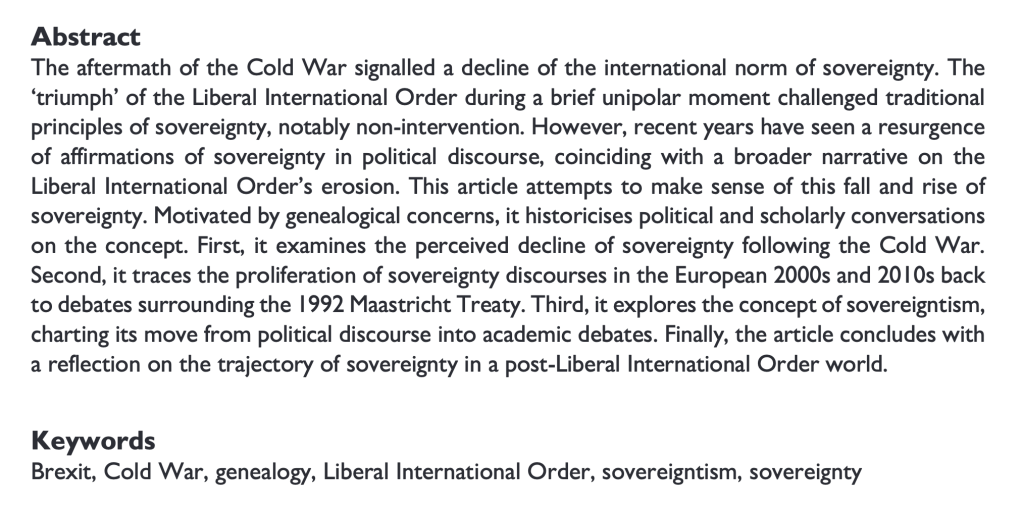
Excerpts
Gone, it seems, is the heyday of the Liberal International Order (LIO) and, with it, what perhaps looked in the aftermath of the Cold War like an irreversible triumph of internationalism, collective problem solving, and shared sovereignty. The contestation of the LIO’s tenets is today increasingly appealing as is the return to some fantasised golden age of sovereignty, not only in the order’s periphery but also in its very core.
The usage of the term [‘sovereigntism’] in public discourse, informed by various political cultures and contexts, points to different branches of a diverse genealogy […], despite a common appreciation of the state as the legitimate proprietor of sovereignty, in keeping with the terms of international political modernity.
peer-reviewed article
Sanctions and stigma: regional and global ordering in the gulf crisis (2024)
Middle East Critique (Open Access)
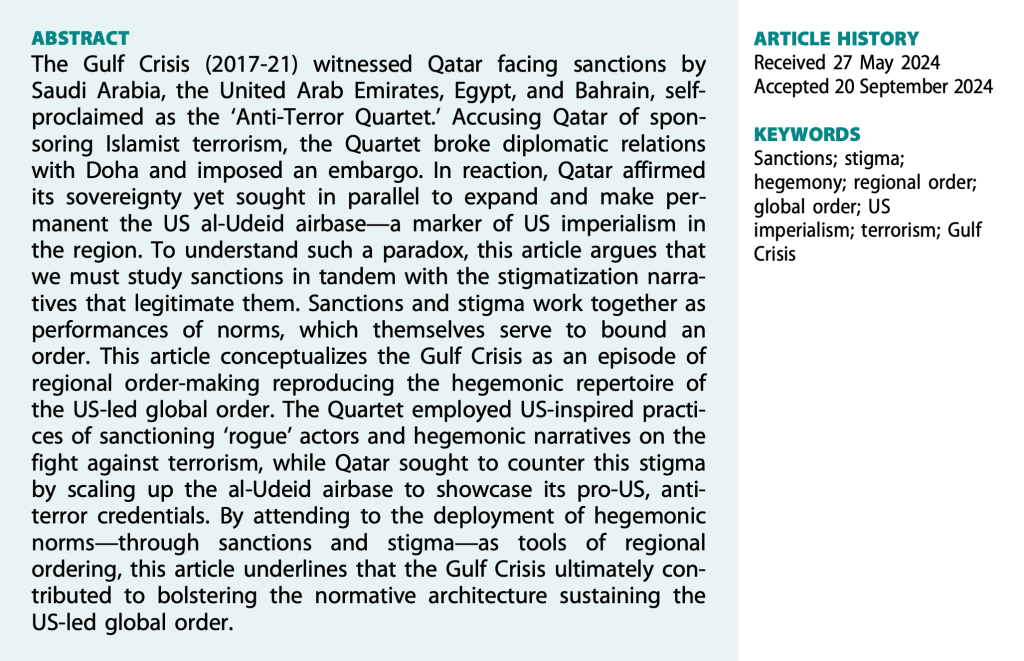
Excerpts
The Quartet’s order-making designs transpired through practices of sanctioning and ostracizing ‘rogue’ actors and narratives on the fight against terrorism, both central to the hegemonic repertoire of global order. Likewise, Qatar’s response sought not only to overcome the immense material challenge represented by the Quartet’s sanctions, but also to clear the emirate from the hegemonic stigma tarnishing its status and reputation.
Both the Quartet and Qatar appealed to practices and narratives from the US-led global order’s repertoire, not simply as one option among others, but from a place of structural propensity stemming from those dependencies.
peer-reviewed article
Subordinates’ quest for recognition in hierarchy (2021)
Millennium: Journal of International Studies (Open Access)

Excerpts
Concentrating on subordinate actors in international hierarchies is not merely about adding ‘diversity’ to the scholarship on hierarchy and, beyond, to IR. It is about recognising, accounting for, and understanding different experiences in a stratified world order.
Hierarchy is about more than only constraints; it provides actors, including subordinate ones, with resources to navigate the stratified order. Subordinates indeed may instrumentalise and weaponise the very constraints underpinning their social misrecognition.
other articles
Qatar’s Stakes in the Israel-Hamas Conflict (2023)
Sada: Carnegie Endowment for International Peace
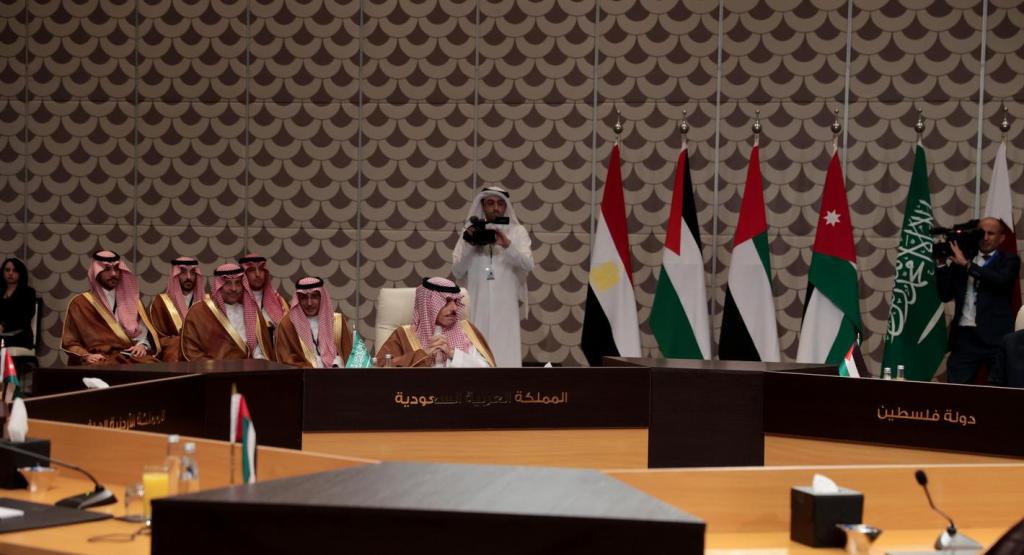
Doha has sought to maintain its reputation for effective mediation, but as Israel expands its assault on Gaza, the emirate’s options are increasingly limited.
Rivalry for Regligious Dominance in Egypt (2017)
Sada: Carnegie Endowment for International Peace
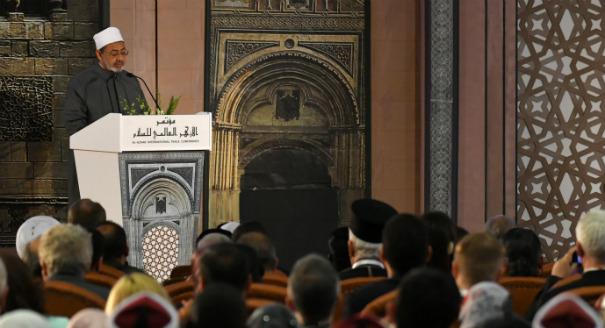
Egypt’s religious institutions are competing for authority and trying to secure their positions in the religious public space.
 Karim El Taki